In literature, an argument refers to a concise summary—often in prose or verse—used to orient readers within a work, particularly common during the Renaissance. John Milton appended arguments to each book of Paradise Lost (1674), offering brief overviews of events, while Ludovico Ariosto and William Blake used verse arguments in their works.
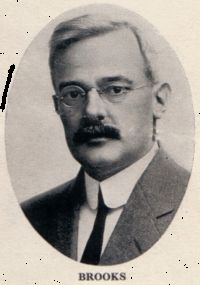
Modern examples, such as Vikram Seth’s A Suitable Boy, show the technique’s continued relevance. Authors like Stratton D. Brooks stressed the argument’s role in appealing to readers’ existing beliefs, while Cicero emphasized its function in organizing discourse. These varied approaches highlight how arguments serve as both structural guides and links between authorial intent and readerly interpretation.
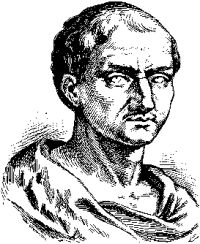
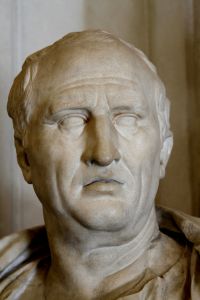 Marcus Tullius Cicero,
Cicero's Tusculan Disputations
(1888)
Marcus Tullius Cicero,
Cicero's Tusculan Disputations
(1888)