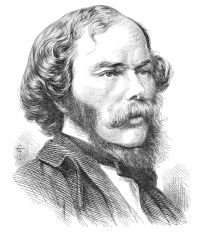
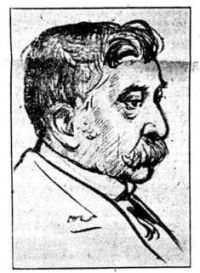
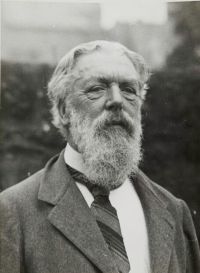
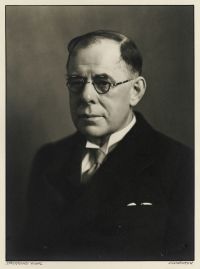
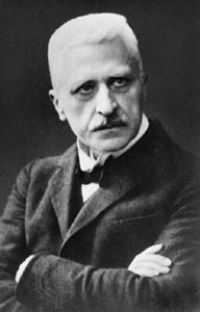
A mechanism is a system of interconnected components designed to convert forces and motion into specific outcomes, serving as a fundamental concept in engineering and physics. From the gear-driven precision of a wristwatch to the complex linkages of a robotic arm, mechanisms illustrate structured interactions between parts. Authors like Thomas Henry Huxley examined biological mechanisms, comparing organic functions to mechanical processes, while George Henry Lewes highlighted the mind’s intricate, fluctuating structures.
William Whewell differentiated "pure mechanism" as a science of motion separate from force, contrasting it with practical machinery. These viewpoints reveal mechanism as both a technical framework and a metaphor for ordered complexity in nature and thought, connecting physical systems and biological processes through structured causality.
 Thomas Henry Huxley,
The Crayfish: An Introduction to the Study of Zoology
Thomas Henry Huxley,
The Crayfish: An Introduction to the Study of Zoology