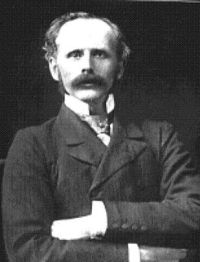
Sincerity, the virtue of aligning actions and communication with one's genuine feelings and beliefs, has been a enduring literary and philosophical concern. From Joseph Conrad’s reflection on its risks to Thomas Carlyle’s assertion that only the sincere can recognize sincerity, authors have grappled with its complexities.
Emile Coué associated it with altruistic confidence, while Victor Hugo acknowledged its potential for both moral grandeur and error. These varied perspectives underscore sincerity’s dual role as both a moral ideal and a human vulnerability, revealing its centrality to ethical and artistic expression across cultures and eras.
 Joseph Conrad,
Some Reminiscences
Joseph Conrad,
Some Reminiscences