Summary

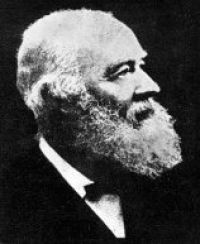
Portrait of John Ball John Ball A Treatise of the Covenant of Grace (1645)

The Covenant of Grace calleth for perfection, accepteth sincerity, God in mercy pardoning the imperfections of our best performances. If perfection was rigidly exacted, no flesh could be saved: if not at all commanded, imperfection should not be sin, nor perfection to be laboured after. The faith that is lively to imbrace mercy is ever conjoyned with an unfained purpose to walke in all well pleasing, and the sincere performance of all holy obedience, as opportunity is offered, doth ever attend that faith, whereby we continually lay hold upon the promises once embraced.
Source: Wikisource

Portrait of John Ball John Ball A Treatise of the Covenant of Grace (1645)

For the Commandement is a lamp, and the Law is light, and reproofes of instruction are the way of life. The Commandements leade directly to that life, which deserves the name of life, eternall life. The Traveller takes the next way to his Journeyes end: No wise man will willingly step one foot out of the way to Heaven. If our limmes be crooked, we omit nothing that Art or Exercise can doe to set them strait: and shall not I take care to rectifie my soul, and bring it into right order?
Source: Wikisource

Portrait of John Ball John Ball A Treatise of the Covenant of Grace (1645)

It is a penitent and petitioning faith, wherby we receive the promises of mercy, but we are not justified partly by prayer, partly by repentance, and partly by faith, but by that faith, which stirreth up godly sorrow for sinne, and enforceth us to pray for pardon and Salvation. Faith is a necessary and lively instrument of Justification, which is amongst the number of true causes, not being a cause without which the thing is not done, but a cause wherby it is done.
Source: Wikisource

Get perspective with Kwize: daily news enlightened by great literature