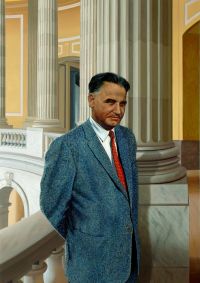
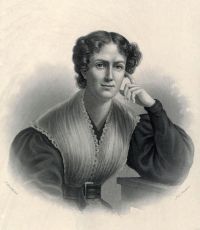
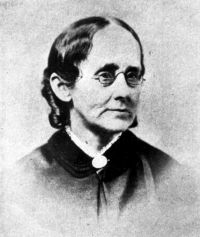
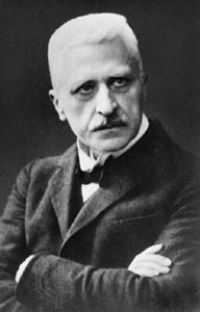
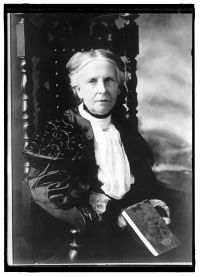
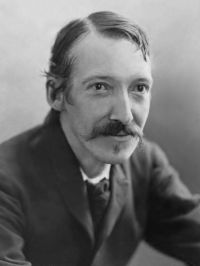
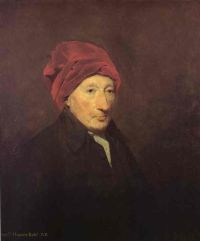
Truthfulness, understood as the virtue of striving to speak the truth, has been examined by philosophers and writers as a fundamental aspect of moral and intellectual life. Nietzsche cast doubt on the "Will to Truth" as a primary force in philosophical exploration, while Abbott advocated for fostering truthfulness in young people through encouragement rather than reprimand.
Cooke viewed scientific truthfulness as an unyielding quest for impartial knowledge, and Helps divided it into areas ranging from self-awareness to social behavior. Doughty associated it with spiritual insight, Gore connected it with religious obligation, and Baker linked it to a universal origin of truth. These viewpoints together highlight truthfulness as a complex ideal that spans personal ethics, communal responsibility, and metaphysical investigation.
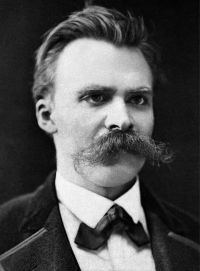 Friedrich Wilhelm Nietzsche,
Beyond Good and Evil
Friedrich Wilhelm Nietzsche,
Beyond Good and Evil