“ Rollo's first feeling was that of astonishment at the extent and variety of the scenes and prospects which opened before him. Instead of a small garden, laid out in gravel walks, and beds of flowers, as he had imagined, he found himself entering a perfect maze of winding walks, which were bordered on all sides by an endless variety of enclosures, groups of shrubbery, groves, huts, cabins, yards, ponds of water, and every other element of rural scenery. The whole, as it first burst upon Rollo's eye, formed a most enchanting landscape, and extended farther than he could see. ”
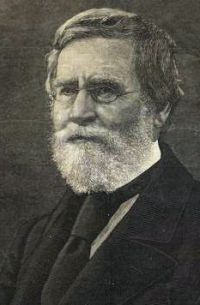
Jacob Abbott
Biographical details

Jacob Abbott (1803–1879), an American author renowned for his children’s literature, merged educational goals with narrative charm. His works, such as the Rollo series (Rollo at Play, Rollo in Europe) and Bruno, combined moral lessons with captivating stories, aiming to foster critical thinking and ethical awareness.
A productive writer of histories, biographies, and religious texts, Abbott’s body of work—from The History of Julius Caesar to Cyrus the Great—reflects his dedication to both intellectual and spiritual growth. His legacy lies in creating accessible, informative tales that influenced generations of young readers.
Quotes by Jacob Abbott
 Jacob Abbott,
History of Julius Caesar
Jacob Abbott,
History of Julius Caesar
“ The soldiers of Caesar's army, maddened with the insane rage which the progress of a battle never fails to awaken, and now excited to phrensy by the exultation of success, pressed on after the affrighted fugitives, who trampled one upon another, or fell pierced with the weapons of their assailants, filling the air with their cries of agony and their shrieks of terror. The horrors of the scene, far from allaying, only excited still more the ferocity of their bloodthirsty foes, and they pressed steadily and fiercely on, hour after hour, in their dreadful work of destruction. ”
Jacob Abbott,
Margaret of Anjou
“ Poor Queen Margaret was all this time at Greenwich, waiting in the utmost suspense and anxiety to hear tidings of the battle. When, at length, the news arrived that the battle had been lost, that the king had been wounded, and was now virtually a prisoner in the hands of her abhorred and hated enemy, she was thrown into a state of utter despair, so much so that she remained for some hours in a sort of stupor, as if all was now lost, and it was useless and hopeless to continue the struggle any longer. ”