“ For when they saw Olympias, whom they had long been accustomed almost to adore as the wife of old King Philip, and the mother of Alexander, and who was now advancing to meet them on her return to Macedon, splendidly attended, and riding in her chariot, at the head of Polysperchon's army, with the air and majesty of a queen, they were so overpowered with the excitement of the spectacle, that they abandoned Eurydice in a body, and went over, by common consent, to Polysperchon's side. ”
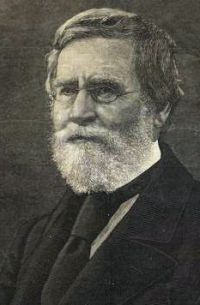
Jacob Abbott
Summary
Jacob Abbott’s Pyrrhus is a historical narrative exploring the military campaigns and political struggles of the ancient Greek general Pyrrhus of Epirus, set against the backdrop of Macedonian and Roman power. Centering on themes of warfare, soldiers, and the unending quest for power, the text examines Pyrrhus’s confrontations with Roman legions, his use of elephants, and his complex comparisons to Alexander the Great.
Through vivid depictions of battles and the responses of figures like Olympias and Polysperchon, Abbott highlights the fleeting nature of military triumph and the difficulties of leadership, ultimately portraying Pyrrhus as both a skilled strategist and a leader whose aspirations were ultimately limited by external forces.
Quotes from Pyrrhus (Jacob Abbott)
“ How vain and foolish does all our boastful defiance of Alexander appear when we now tremble at the name of Pyrrhus—a man who has been all his life a follower and dependent of one of Alexander's inferior generals—a man who has scarcely been able to maintain himself in his own dominions—who could not retain even a small and insignificant part of Macedon which he had conquered, but was driven ignominiously from it; and who comes into Italy now rather as a refugee than a conqueror—an adventurer who seeks power here because he can not sustain himself at home! ”
“ Where are now the boastings that we made when Alexander the Great commenced his career, that if he had turned his arms toward Italy and Rome, instead of Persia and the East, we would never have submitted to him; that he never would [Pg 141] have gained the renown of being invincible if he had only attacked us, but would, on the other hand, if he invaded our dominions, only have contributed to the glory of the Roman name by his flight or his fall? These boasts we made so loudly that the echo of them spread throughout the world. ”
