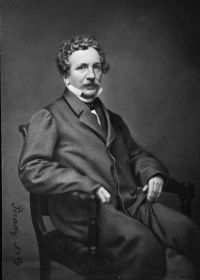
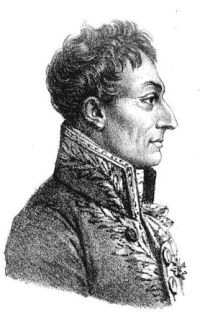
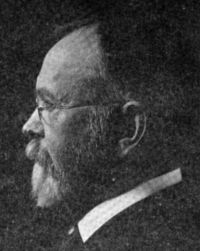
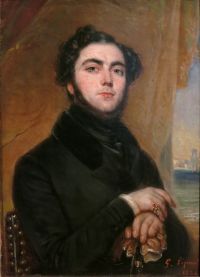
Confusion, the state of uncertainty or disarray, has long preoccupied thinkers and writers, who have explored its psychological, philosophical, and social dimensions. H.G. Wells portrays it as a chaotic yet productive setting for human endeavor, while Thomas Love Peacock associates it with the fragility of human affection and social conflict.
John Locke emphasizes its role in hindering clear thought, and James Fenimore Cooper cautions against its negative impact on precise expression. From William James’ view of confusion as a “baby’s universe” to Thomas Williams’ critique of societal discord, these perspectives reveal confusion as both a challenge and a stimulus for reflection. The theme thus emerges as a multifaceted lens through which human complexity and the pursuit of order are continually examined.
 H. G. Wells,
Tono-Bungay
(1909)
H. G. Wells,
Tono-Bungay
(1909)