Controversy, a prolonged public debate or disagreement, has long been central to human discourse, reflecting clashing viewpoints on important issues. From legal systems to psychological studies, it captures the tension between emotion and knowledge, as illustrated by Benford’s law. Authors like Volney emphasized its role in the pursuit of shared truth, while Hazlitt criticized the closed-minded dismissal of alternative perspectives.
Johnson observed its transformation from pamphlets to organized arguments, and Mathews pointed to the influence of language in framing disputes. These differing perspectives highlight controversy as a multifaceted interaction of rhetoric, thought, and social forces, revealing its lasting impact on collective understanding.
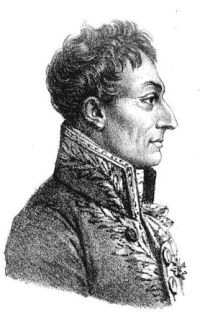 C.-F. Volney,
The Ruins; Or, Meditation on the Revolutions of Empires and the Law of Nature
C.-F. Volney,
The Ruins; Or, Meditation on the Revolutions of Empires and the Law of Nature