Summary

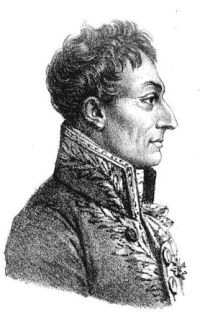
Portrait of C.-F. Volney C.-F. Volney The Ruins; Or, Meditation on the Revolutions of Empires and the Law of Nature

Who can enlighten the ignorance of the weak? Who can teach the multitude to know their rights, and force their chiefs to perform their duties? Thus the race of man is always doomed to suffer! Thus the individual will not cease to oppress the individual, a nation to attack a nation; and days of prosperity, of glory, for these regions, shall never return. Alas! conquerors will come; they will drive out the oppressors, and fix themselves in their place; but, inheriting their power, they will inherit their rapacity; and the earth will have changed tyrants, without changing the tyranny.
Source: Gutenberg

Portrait of C.-F. Volney C.-F. Volney The Ruins; Or, Meditation on the Revolutions of Empires and the Law of Nature

And what is that infidelity which founded empires by its prudence, defended them by its valor, and strengthened them by its justice—which built powerful cities, formed capacious ports, drained pestilential marshes, covered the ocean with ships, the earth with inhabitants; and, like the creative spirit, spread life and motion throughout the world? If such be infidelity, what then is the true faith? Doth sanctity consist in destruction? The God who peoples the air with birds, the earth with animals, the waters with fishes—the God who animates all nature—is he then a God of ruins and tombs?
Source: Gutenberg

Portrait of C.-F. Volney C.-F. Volney The Ruins; Or, Meditation on the Revolutions of Empires and the Law of Nature

Either in the capacity of a stranger, or in that of a citizen, a sincere friend to peace, I carry into society neither the spirit of dissension, nor the desire of commotion; and because I respect in every one what I wish him to respect in me, the name of liberty is in my mind nothing else but the synonyma of justice.
As a man, whether from moderation or indolence, a spectator of the world rather than an actor in it, I am every day less tempted to take on me the management of the minds or bodies of men: it is sufficient for an individual to govern his own passions and caprices.
Source: Gutenberg

Get perspective with Kwize: daily news enlightened by great literature