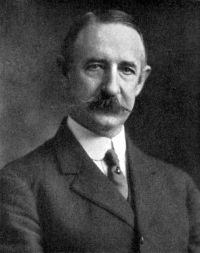
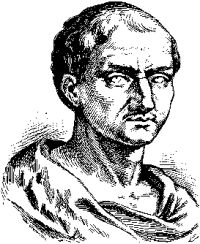
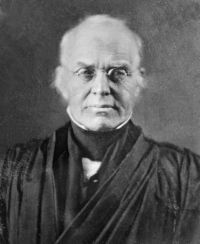
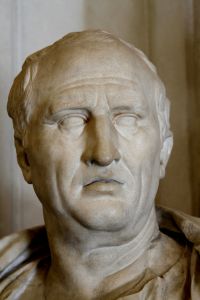
A statement, in computer programming, is a syntactic unit that conveys an action to be carried out, forming the foundation of imperative languages. Beyond programming, the concept has been examined by thinkers like Voltaire, who described truth as “a declaration of the facts as they are,” and George Fillmore Swain, who stressed the importance of analyzing declarations to determine their validity.
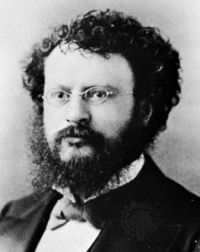
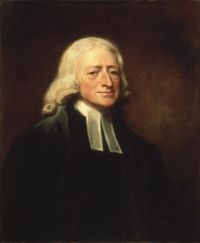
William James emphasized the need to understand the opposite of a declaration in order to fully grasp its meaning, while John Stuart Mill connected declarations to logical reasoning. These viewpoints highlight how declarations—whether in code or in discourse—function as essential elements of action, clarity, and thought, linking technical implementation with philosophical exploration.