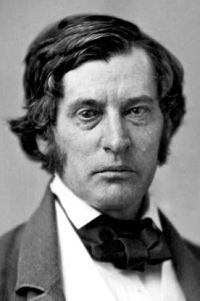
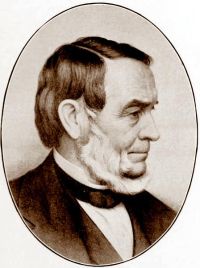
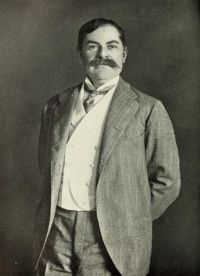
Suppression denotes the act of controlling, eradicating, or restricting forces, ideas, or behaviors, often through authority or coercion. Authors have examined it through various perspectives: Charles Hanson Towne critiqued it as an excessive interference with societal norms, while John Stuart Mill associated it with the application of law and governance.
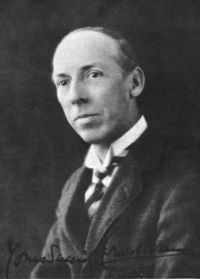
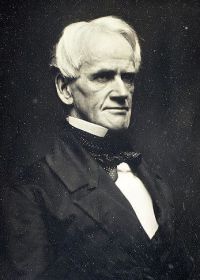
W.H.R. Rivers explored its psychological aspects, pointing out its shortcomings in resolving human conflicts, and Henri Bergson emphasized its inherent contradictions. These viewpoints reveal suppression as both a means of maintaining order and a flawed human effort, highlighting the tensions between control and individuality.
 Charles Hanson Towne,
The Rise and Fall of Prohibition
Charles Hanson Towne,
The Rise and Fall of Prohibition