Summary

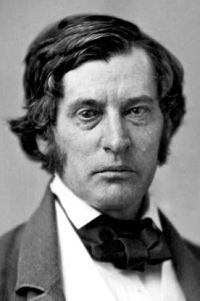
Portrait of Charles Sumner Charles Sumner Charles Sumner: his complete works…

Here is a monopoly on a gigantic scale and with an unprecedented field, in a country which sets its face against all monopolies as unequal and immoral. If any monopoly deserves unhesitating judgment, it must be that which absorbs the rights of others and engrosses political power. How vain to condemn the petty monopoly of commerce, while allowing this vast, all-embracing monopoly of Human Rights!
Clearly, most clearly, and beyond all question, such a government is not “republican in form.” Call it oligarchy, call it aristocracy, call it caste, call it monopoly; but never call it a republic.
Source: Gutenberg

Portrait of Charles Sumner Charles Sumner Charles Sumner: his complete works…

The law, which is the highest reason, boasts that every man’s house is his castle; but the freedman can have no castle without the ballot. When the master knows that he may be voted down, he will know that he must be just, and everything is contained in justice. The ballot is like charity, which never faileth, and without which man is only as sounding brass or a tinkling cymbal. The ballot is the one thing needful, wanting which, rights of testimony and all other rights are no better than cobwebs, which the master will break through with impunity.
Source: Gutenberg

Portrait of Charles Sumner Charles Sumner Charles Sumner: his complete works…

Are you ready, Sir, in disregard of this great precedent, and in disregard of all promises and examples of past history, to thrust a single citizen out of all representation in the Government, while you consume his substance with taxation, subject him to Stamp Acts, compel him to pay a duty of twenty-five cents a pound on tea, and then follow him with imposts in all the business of life?
Source: Gutenberg

Get perspective with Kwize: daily news enlightened by great literature