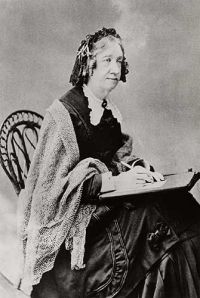
Civil rights include essential freedoms that protect individuals from interference by authorities or institutions, ensuring their involvement in social and political life. From Victoria C. Woodhull’s criticism of unequal privileges to Martin Luther King, Jr.’s claim that legal pressure is vital for advancement, writers have long wrestled with the conflict between systemic inequality and the quest for fairness.
Ellen Anderson Gholson Glasgow emphasized the difficulty of reconciling communal needs with personal liberties, while Johann Gottlieb Fichte imagined a state in which civil liberties create a shared bond among citizens. These viewpoints highlight the ongoing effort to make rights universally applicable, as historical movements—from the end of slavery to current struggles for gender and racial equality—show that civil rights serve both as a legal structure and an evolving social necessity.