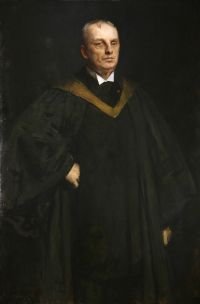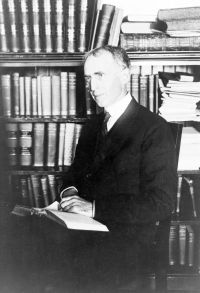
Charles A. Beard

Biographical details

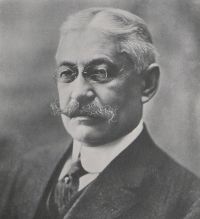
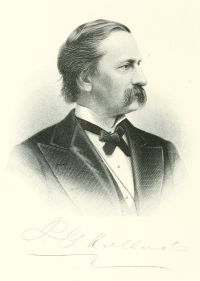
Portrait of Charles A. Beard Charles A. Beard An economic interpretation of the Constitution of the United States (1914)

I believe that the new constitution will prove the bulwark of liberty—the balm of misery—the essence of justice—and the astonishment of all mankind. In short, I believe that it is the best form of government which has ever been offered to the world. I believe that to speak, write, read, think, or hear any thing against the proposed government is damnable heresy, execrable rebellion, and high treason against the sovereign majesty of the convention—And lastly I believe that every person who differs from me in belief is an infernal villain.
Source: Gutenberg

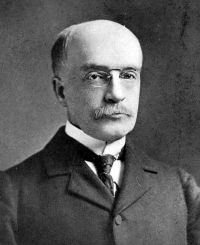
Portrait of Charles A. Beard Charles A. Beard Contemporary American History, 1877-1913

The enemy is, therefore, the trust; it is the trust which prevents everybody who would from becoming his own master in some small business; it is the trust that has taken away the "freedom" which we once had in the United States. The remedy is inevitably the dissolution of the trusts, the prohibition of unfair practices in competition—then will follow as night the day that perfect freedom which is as new wine to a sick nation. With competition "restored" and maintained by government prosecution of offenders, no one need have a master unless he chooses.
Source: Gutenberg

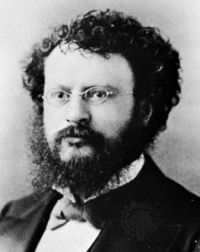
Portrait of Charles A. Beard Charles A. Beard History of the United States

The Stamp Act Congress was more than an assembly of protest. It marked the rise of a new agency of government to express the will of America. It was the germ of a government which in time was to supersede the government of George III in the colonies. It foreshadowed the Congress of the United States under the Constitution. It was a successful attempt at union. "There ought to be no New England men," declared Christopher Gadsden, in the Stamp Act Congress, "no New Yorkers known on the Continent, but all of us Americans."
Source: Gutenberg

Get perspective with Kwize: daily news enlightened by great literature