Summary

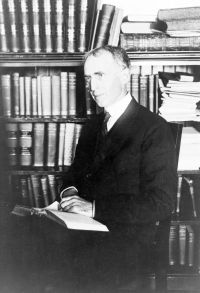
Portrait of Charles A. Beard Charles A. Beard An economic interpretation of the Constitution of the United States (1914)

I believe that the new constitution will prove the bulwark of liberty—the balm of misery—the essence of justice—and the astonishment of all mankind. In short, I believe that it is the best form of government which has ever been offered to the world. I believe that to speak, write, read, think, or hear any thing against the proposed government is damnable heresy, execrable rebellion, and high treason against the sovereign majesty of the convention—And lastly I believe that every person who differs from me in belief is an infernal villain.
Source: Gutenberg

Portrait of Charles A. Beard Charles A. Beard An economic interpretation of the Constitution of the United States (1914)

Make it a tender in all future contracts, or let it rest on its own credit—but remember that past contracts are sacred things—and that legislatures have no right to interfere with them—they have no right to say, a debt shall be paid at a discount, or in any manner which the parties never intended.... To pay bona fide contracts for cash, in paper of little value, or in old horses, would be a dishonest attempt in an individual: but for legislatures to frame laws to support and encourage such detestable villainy, is like a judge who should inscribe the arms of a rogue over the seat of justice.
Source: Gutenberg

Portrait of Charles A. Beard Charles A. Beard An economic interpretation of the Constitution of the United States (1914)

As might have been expected, a man entertaining such radical notions about the power and duty of a government to interfere with the rights of personalty in behalf of the debtor could not have accepted the instrument framed at Philadelphia. In fact, Martin refused to sign the Constitution; he wrote a vehement protest against it to the legislature of his state; he worked assiduously against its ratification; and as a member of the state convention, he voted against its approval by his commonwealth—but in vain.
George Mason thoroughly understood the doctrine of a balanced government.
Source: Gutenberg

Get perspective with Kwize: daily news enlightened by great literature