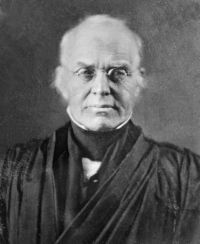
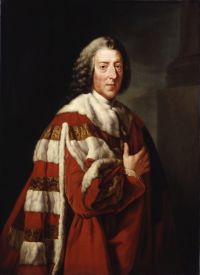
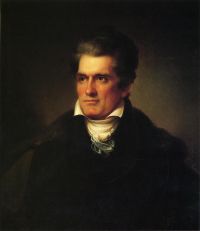
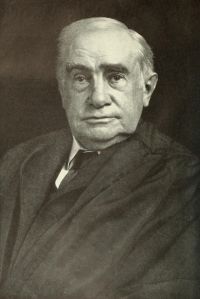
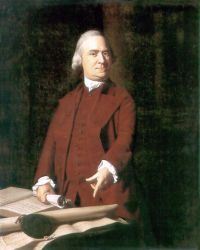
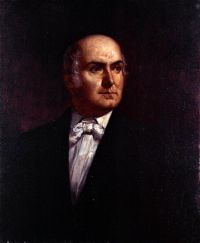
The Constitution, as a foundational framework for governance, embodies the collective will of a people, establishing principles to balance power and safeguard liberties. Authors such as Jonathan Elliot highlighted its democratic origins, framing it as a "supreme law" derived from the people’s sovereignty, while Joseph Story emphasized its interpretive firmness, cautioning against misreadings that might weaken its "plain import.
" John Quincy Adams reinforced its role as a "charter of limited powers," stressing the need to respect its boundaries. These perspectives collectively reveal the Constitution as both a living agreement and a stabilizing force, designed to reconcile popular authority with enduring legal structure.