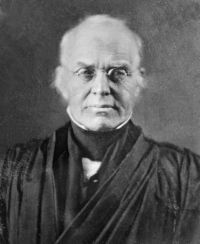
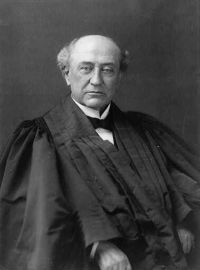
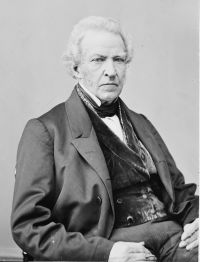
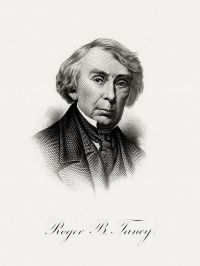
Jurisdiction refers to the legal authority granted to entities to resolve particular issues, covering territorial, temporal, and subject-matter dimensions. In federations such as the U.S., it functions at local, state, and federal levels, whereas international law deals with sovereignty and the settlement of disputes. U.S. jurists like William J. Brennan Jr.
highlighted the importance of due process in jurisdictional principles, while Joseph Story emphasized the judiciary's role in constitutional and treaty-related cases. The relationship between monism and dualism adds further complexity to the application of jurisdiction, illustrating the tensions between supranational institutions and national sovereignty. In conclusion, jurisdiction continues to serve as a flexible framework that balances legal requirements with political realities.