A treaty is a formal, legally binding agreement between sovereign states or international organizations, governed by international law and serving as a cornerstone of global diplomacy. Historically rooted in ancient agreements like the Sumerian border pact, treaties range from bilateral accords to multilateral frameworks, often codified by conventions such as the 1969 Vienna Convention.
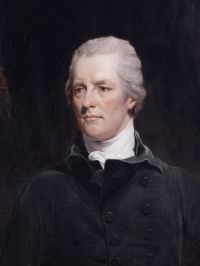
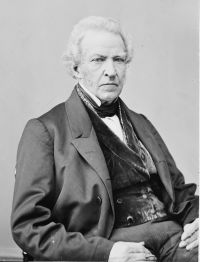
Authors like William Pitt the Younger critiqued treaty violations by revolutionary France, while Thomas Erskine Holland compared treaties to contracts, highlighting their binding yet adaptable character. Joseph Story emphasized their constitutional significance, and Thomas Jefferson underscored the need for strategic caution in treaty-making. These perspectives reveal treaties as both practical instruments and contested foundations of international order, reflecting persistent tensions between legal obligation and political reality.