Indigenous peoples of the United States

Definition and stakes

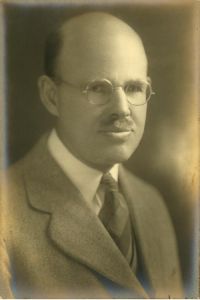
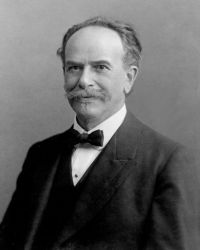
Portrait of Franz Boas Franz Boas The mind of primitive man (1911)

In the composition of our people, the indigenous element has never played an important rôle, except for very short periods. In regions where the settlement progressed 253for a long time entirely by the immigration of unmarried males of the white race, families of mixed blood have been of some importance during the period of gradual development, but they have never become sufficiently numerous in any populous part of the United States to be considered as an important element in our population.
Source: Gutenberg

Draft United Nations Declaration on the Rights of Indigenous Peoples (1994)

States shall take effective measures, in conjunction with the indigenous peoples concerned, to ensure that indigenous sacred places, including burial sites, be preserved, respected and protected.
Article 14 Indigenous peoples have the right to revitalize, use, develop and transmit to future generations their histories, languages, oral traditions, philosophies, writing systems and literatures, and to designate and retain their own names for communities, places and persons.
Source: Wikisource

Portrait of Stephen Graham Stephen Graham The Soul of John Brown

There is another difference, and it is that our Blacks, except in the Indies, are mostly indigenous, and have not been transplanted from their native wilds. They have not been slaves and have not the slave psychology. In Africa the white man is in contact with masses of natives in a primitive condition; in the United States the Negro has been definitely cut off from his kith and kin. The American Negro was set free in a land rampant with democratic ideals and possessed of a sublime belief in human progress.
Source: Gutenberg

Get perspective with Kwize: daily news enlightened by great literature