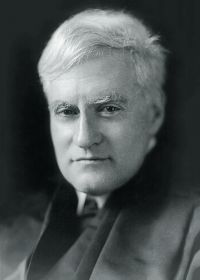
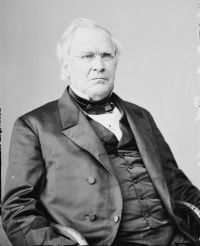
Stipulation refers to a formal condition or agreement within a legal contract, often defining duties or responsibilities. Legal scholars and judges, from Henry James Sumner Maine’s analysis of Roman law to judicial rulings in cases like Lowber v. Bangs, have explored its role as a binding provision. Maine connected stipulation to the development of contractual forms, while judges like Noah Haynes Swayne highlighted its function as a condition precedent, essential to the validity of a contract.
Nathan Clifford and Henry Billings Brown further explained its significance in admiralty law and suretyship, emphasizing its dual character as both a legal duty and a possible source of liability. These viewpoints illustrate stipulation as a fundamental element of contractual law, shaped by historical tradition and judicial reasoning.
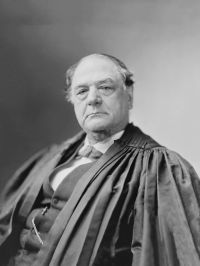 Noah Haynes Swayne,
Lowber v. Bangs — Opinion of the Court
Noah Haynes Swayne,
Lowber v. Bangs — Opinion of the Court