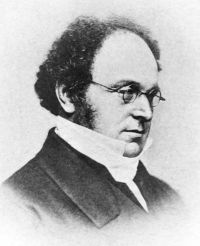
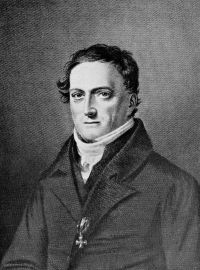
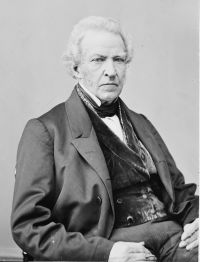
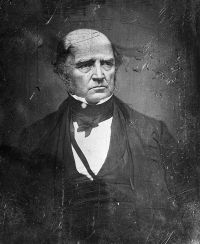
The concept of "default" refers to the state of an item when no other condition is specified, often suggesting a failure to fulfill responsibilities. In legal and contractual settings, it functions as a crucial mechanism, as illustrated by Thurgood Marshall’s focus on procedural defaults in judicial decisions, or John Marshall’s clarification of contractual accountability.
Philosophers such as William James and Joseph de Maistre examined its significance in human agency and institutional frameworks, while literary works, like Laurence Sterne’s humorous rejection of strict rules, emphasize its wider cultural impact. This theme therefore connects legal clarity with existential contemplation, highlighting how default influences both societal systems and personal duty.