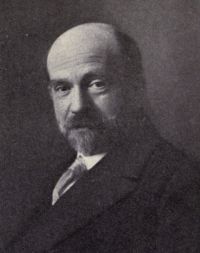
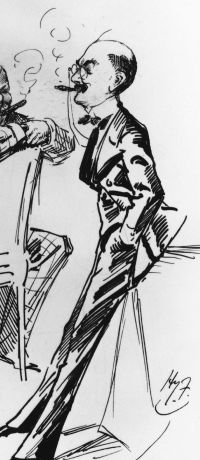
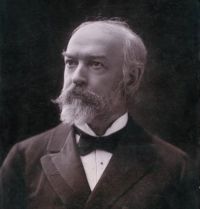
A remedy denotes a substance or procedure aimed at addressing a medical condition, encompassing treatments ranging from antibiotics to philosophical approaches. Authors have long grappled with its implications: José Rizal linked it to divine intervention, Pío Baroja framed it as futile human effort, and ʻAbdu'l-Bahá emphasized spiritual teachings as global solutions.
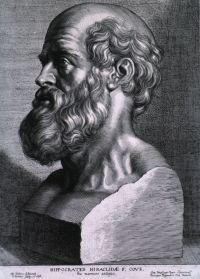
Hippocrates underscored the need for understanding disease and treatment alike, while Matthew Henry framed faith as a "sovereign remedy." These varied perspectives reflect the tension between medical effectiveness and existential healing, illustrating how the concept bridges physical and metaphysical domains. The data underscores that a true cure implies permanence, yet its interpretation remains shaped by cultural, scientific, and individual contexts.
 José Rizal,
An Eagle Flight: A Filipino Novel Adapted from Noli Me Tangere
José Rizal,
An Eagle Flight: A Filipino Novel Adapted from Noli Me Tangere