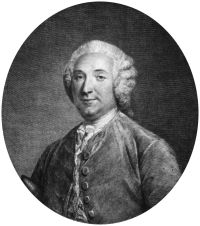
John Rudolph Glauber (1604–1668), a 17th-century German alchemist and chemist, is renowned for his pioneering contributions to early modern science, particularly through his extensive writings on alchemical processes and the pursuit of the Philosopher’s Stone. His work, The Works of the Highly Experienced and Famous Chymist, explores themes of transformation, the moral responsibilities of scientific inquiry, and the interplay between natural philosophy and practical experimentation.
Glauber’s texts emphasize the transformative power of fire, the ethical boundaries of alchemical ambition, and the potential of everyday materials to yield extraordinary results. His reflections on the spiritual and material dimensions of chemistry, alongside his critiques of excessive speculation, position him as a bridge between Renaissance alchemy and the emerging scientific method, influencing figures such as Robert Boyle and Pierre Joseph Macquer. Glauber’s legacy lies in his synthesis of mystical inquiry and empirical precision, offering a unique lens through which to examine the evolution of early chemistry.