Natural philosophy

Definition and stakes

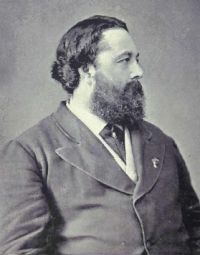
Portrait of Ralph Waldo Emerson Ralph Waldo Emerson The American Scholar (1838)

Yet when this spiritual light shall haverevealed the law of more earthly natures,—when he has learned to worship the soul, and to see that the natural philosophy that now is, is only the first gropings of its gigantic hand, he shall look forward to an ever expanding knowledge as to a becoming creator. He shall see, that nature is the opposite of the soul, answering to it part for part. One is seal, and one is print. Its beauty is the beauty of his own mind. Its laws are the laws of his own mind. Nature then becomes to him the measure of his attainments.
Source: Wikisource

Albert Schwegler A History of Philosophy in Epitome

Natural Philosophy.—To philosophize concerning nature is, in a certain sense, to create nature—to raise it from the dead mechanism in which it had seemed confined, to inspire it with freedom, and transpose it into a properly free development. And what, then, is matter, other than mind which has become extinct? According to this view, since nature is only the visible organism of our understanding, it can produce nothing but what is conformable to a rule and an end.
Source: Gutenberg

Duchess of Margaret Cavendish Newcastle Philosophical Letters: or, modest Reflections upon some Opinions in Natural Philosophy

The like in Natural Philosophy, although Natural Philosophers cannot find out the absolute truth of Nature, or Natures ground-works, or the hidden causes of natural effects; nevertheless they have found out many necessary and profitable Arts and Sciences, to benefit the life of man
Source: Gutenberg

Get perspective with Kwize: daily news enlightened by great literature