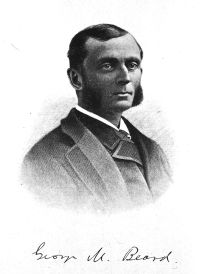
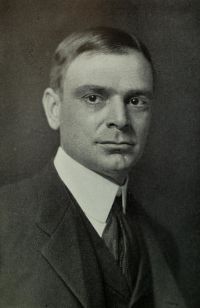
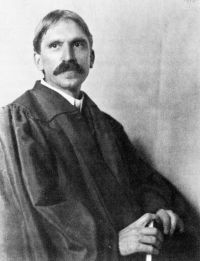
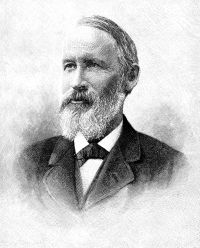
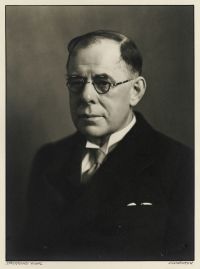
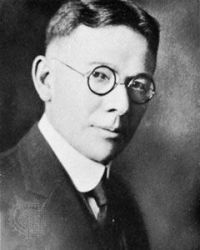
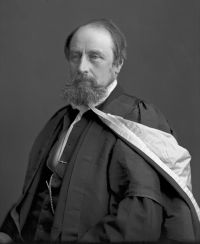
The scientific method represents a systematic approach to gaining knowledge through observation, hypothesis development, experimentation, and critical evaluation. Grounded in empirical practices, it emphasizes testability and the continuous refinement of theories. Scholars such as Elizabeth Blackwell highlight its thoroughness in addressing all research elements, while Willard E.
Hotchkiss promotes its use beyond laboratory environments. George Miller Beard underscores its function in defining the limits of knowledge, and William Whewell contemplates its historical progression in advancing scientific discovery. These viewpoints together illustrate the method's flexibility and essential role in guiding inquiry across various fields.
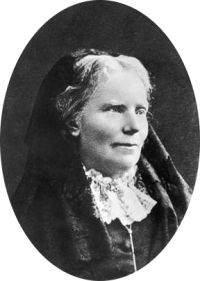 Elizabeth Blackwell,
Scientific Method in Biology
(1898)
Elizabeth Blackwell,
Scientific Method in Biology
(1898)