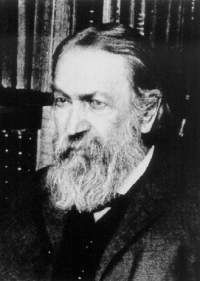
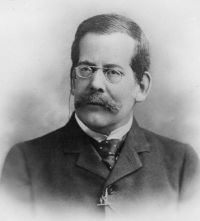
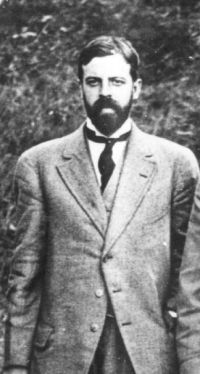
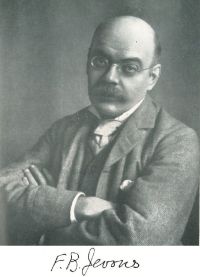
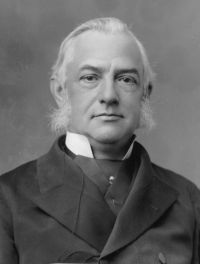
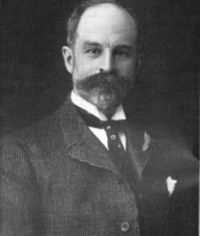
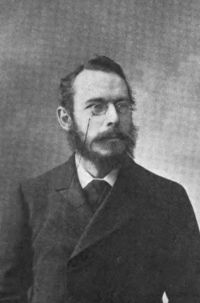
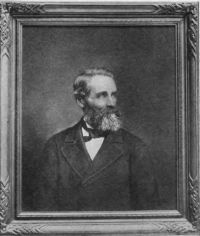
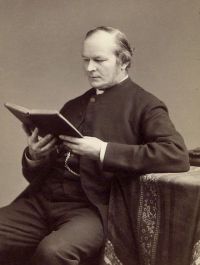
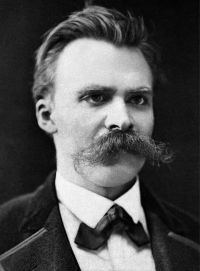
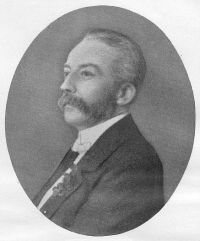
Comparative philology, an academic discipline centered on the historical evolution and connections among languages, aims to uncover the development of human communication through systematic study. This field has been examined by scholars such as George John Romanes, who highlighted its role in showing that languages did not arise fully formed, and Charles Hardwick, who regarded it as a unifying element linking distant cultures and periods.
Ernst Mach emphasized the need for scientific precision in understanding linguistic transformation, while Plato, in Cratylus, addressed the relationship between language, history, and human experience. The discipline’s strength lies in its capacity to bridge temporal and spatial gaps, exposing common origins and the evolving trajectories of language across civilizations.