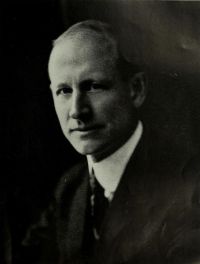
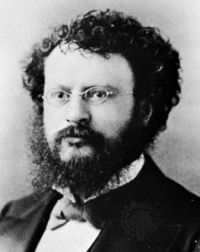
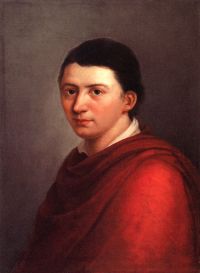
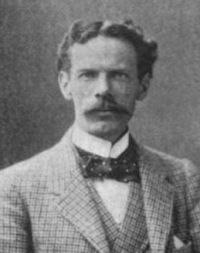
Classicism, a lasting artistic and architectural movement, derives from the ideals of ancient Greece and Rome, emphasizing proportion, clarity, and intellectual restraint. From Renaissance humanism to Enlightenment Neoclassicism, it has influenced literature, theater, and design through structured forms and respect for antiquity. Authors like T.S.
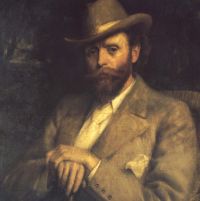
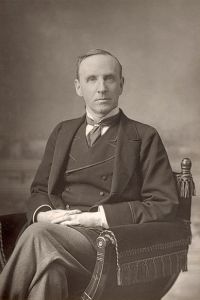
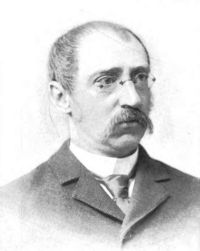
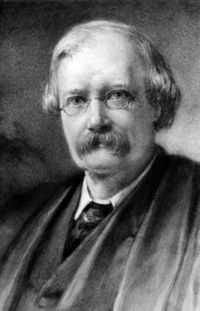
Eliot saw modern classicism as a return to order, while Virginia Woolf described it as a challenge to contemporary rigidity. Sir Hall Caine criticized its unyielding formalism, and John Morley pointed out its dependence on reasoned tradition. These viewpoints highlight classicism’s dual function as both a stabilizing influence and a stimulus for re-evaluation across different artistic periods.
 T. S. Eliot,
The Criterion
(1926)
T. S. Eliot,
The Criterion
(1926)