Neoclassicism

Definition and stakes

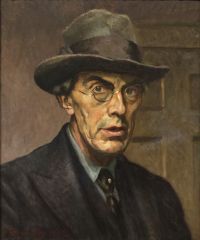
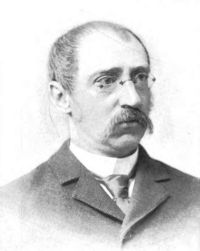
Portrait of Richard Claverhouse Jebb Richard Claverhouse Jebb,  Essays and Addresses (1907)

“ The ideal of humanism has thus been reinforced in a manner which brings back to us something of the spirit which animated the Renaissance when it was largest and most vigorous. For the enthusiasm of the Renaissance was nourished by the monuments of classical art scarcely less than by the masterpieces of literature. Each statue that was disinterred from Italian soil, every stone or coin or gem that could help to illustrate the past, became a source of delight to men whose strenuous aim was to apprehend classical antiquity as a whole. ”
Source: Wikisource

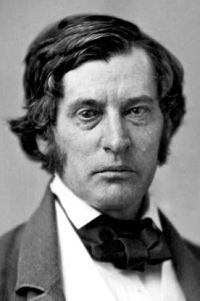
Portrait of William Graham Sumner William Graham Sumner,  Folkways

“ There were men who were great scholars within the standards of humanism, but the enthusiasm for art, the zeal for Latin and Greek literature, the coöperative struggle for exhumations and specimens, were features of a reigning fad. The Renaissance was an affair of the upper and middle classes. It never could spread to the masses. Classical learning came to be valued as a caste mark. Then it became still more truly an affectation, and was tainted with untruth. The masses were superior in the sincerity and truthfulness of their mores by the contrast. ”
Source: Gutenberg

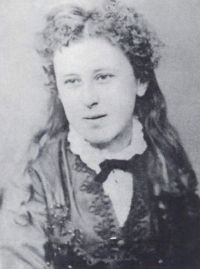
Portrait of Vernon Lee Vernon Lee,  Euphorion - Vol. I

“ The union of the antique with the modern meant simply the absorption by the art of the Renaissance of elements of civilization necessary for its perfection, but not existing in the medieval civilization of the fifteenth century; of elements of civilization which gave what the civilization of the fifteenth century—which could give colour, perspective, grouping, and landscape—could never have afforded: the nude, drapery, and gesture. The naked human body, which the Greeks had trained, studied, and idolized, did not exist in the fifteenth century ”
Source: Gutenberg

Get perspective with Kwize: daily news enlightened by great literature