Realism, an artistic approach seeking to depict subjects truthfully without artificiality or idealization, arose in 19th-century France as a response to Romanticism, highlighting everyday realities and social issues. Although connected to naturalism, it differs in its emphasis on unfiltered truth.
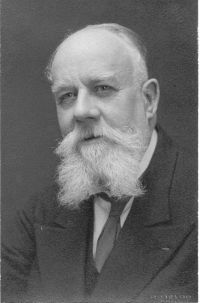
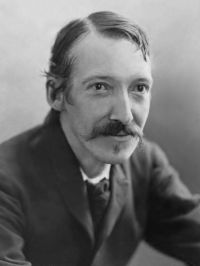
Writers such as Oscar Wilde criticized realism’s limitations, calling for art’s release from its “prison-house,” while Josiah Royce examined the philosophical consequences of modified realism, casting doubt on the real’s independence from knowledge. Edouard Le Roy described realism as an ongoing interaction between thought and action, and Robert Louis Stevenson praised poets for capturing the core of joy. These viewpoints together emphasize realism’s dual function—as both a reflection of reality and a force for reshaping artistic truth.
 Oscar Wilde,
Intentions
(1891)
Oscar Wilde,
Intentions
(1891)