Giosuè Carducci

Biographical details

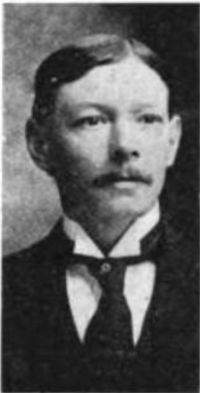
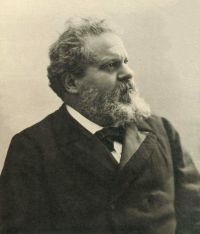
Portrait of Giosuè Carducci Giosuè Carducci Poems of Giosuè Carducci, Translated with two introductory essays

Indeed, if the soul and not the senses be addressed, we question whether beneath all the Dionysian splendours and jollity of Carducci's verses there be not discernible a gloom more real than that of Leopardi. Even for Italy the day is past when Hellenism can fill the place of Christianity; the soul craves a substance for which mere beauty of form, whether in intellect, art, or nature, is a poor and hollow substitute; and to revive not the poetry alone, but the humanity of the nation, a force is needed greater and higher than that to be got by the restoration of either dead Pan or Apollo.
Source: Gutenberg

Portrait of Giosuè Carducci Giosuè Carducci Poems of Giosuè Carducci, Translated with two introductory essays

Among the various aspirants to the title of realist, we have no more interesting examples than in our own Howells and Whitman, both being avowed prophets of this school of writing. In Whitman we see a generous nature run away with by the passion of expression. His words are heaped like sand-dunes. There is a sound of roaring waves, but the landscape is, too often, on the whole, shapeless and wearisome. One feels that there is meaning in the poet's mind, but the expression is excessive, and so without form. The delight of ultimation has become a frenzy of word-piling or word-inventing.
Source: Gutenberg

Portrait of Giosuè Carducci Giosuè Carducci Poems of Italy: selections from the Odes of Giosue Carducci… (1889)

Thou hast, O Garibaldi, at Mentana
On Peter and on Cæsar set thy foot.
O thou, of Aspromonté splendid rebel,
O glorious victor of Mentana thou,
Come then, and tell Palermo's tale and Rome's
Unto Camillus in the Capitol!"—
Thus a mysterious voice of spirits ran
Solemnly through the Italian sky that day
When all the vile lamented in their fright—
Curs that shrank cowering from the avenging lash.
Now, Italy adores thee. A new Rome
Is hailing thee her latest Romulus.
Thou dost ascend, divine one; round thy head
There cannot come the silences of death.
Source: Wikisource

Get perspective with Kwize: daily news enlightened by great literature