Walt Whitman

Definition and stakes

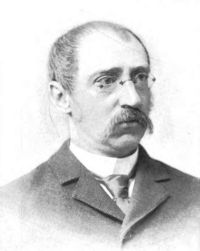
Portrait of Robert Green Ingersoll Robert Green Ingersoll,  Walt Whitman: An Address

“ Walt Whitman is not only the poet of childhood, of youth, of manhood, but, above all, of old age. He has not been soured by slander or petrified by prejudice; neither calumny nor flattery has made him revengeful or arrogant. Now sitting by the fireside, in the winter of life,
His jocund heart still beating in his breast,
he is just as brave and calm and kind as in his manhood's proudest days, when roses blossomed in his cheeks.
”
Source: Gutenberg

Henry Bryan Binns,  A Life of Walt Whitman

“ Seen by Whitman, the Broad-axe itself is a poem that tells of strenuous America, with her free heroic life and the comradeship of her Western cities, great with the greatness of their common folk. It tells him of the woman of America, self-possessed and strong; and of large, natural, naïve types of manhood. It even prophecies to him of Walt Whitman, and sings the “Song of Myself,” the message of the noble fierce undying Self. As a Cuvier can reconstruct an undiscovered creature from a single fossil bone, so might the poet seer have foretold America by this symbol of an axe. ”
Source: Gutenberg

Elizabeth Leavitt Keller,  Walt Whitman in Mickle Street

“ The magnificent personality of Walt Whitman and his general comradeship, inspired by his ingrained feelings and intuitive beliefs concerning the destiny of America, must certainly have impressed all who met him long before he was known as a poet. He lived a life so broad and noble that it will be more studied and emulated, and will sink deeper and deeper into the heart. The social, human world, through his aid, will reach a level hitherto unattained. ”
Source: Gutenberg

Get perspective with Kwize: daily news enlightened by great literature