Lord Byron

Definition and stakes

contessa di Teresa Guiccioli,  My Recollections of Lord Byron

“ One calls him the poet of evil; another the bard of sorrow. But no! Lord Byron was not exclusively either one or the other. He was the poet of the soul, just as Shakspeare was before him.
Lord Byron, in writing, never had in view virtue rather than vice. To take his stand as a teacher of humanity, at his age, would have seemed ridiculous to him.
”
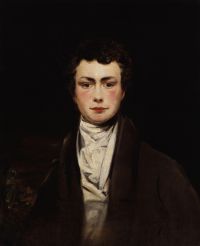
Source: Gutenberg

contessa di Teresa Guiccioli,  My Recollections of Lord Byron

“ In England, Lord Byron triumphed over many jealous enemies whom his first satire earned for him, no less than the rapid and wonderful rise of his genius, which, instead of appearing by degrees, burst forth at once, as it were, and towering over many established reputations. The prestige which he acquired was such that every obstacle was surmounted, and in one day he saw himself raised against his will, and without his having ever sought the honor, to the highest pinnacle of fashion and literary fame. ”
Source: Gutenberg

contessa di Teresa Guiccioli,  My Recollections of Lord Byron

“ Thus Lord Byron allowed his pen to jest, to mark the follies of men: sometimes attacking them boldly in front, sometimes aiming light arrows aslant, ridiculing, chastising, as humor or fancy prompted; and he gave himself the same liberty of language in private conversation, according to the character of those with whom he conversed. On all these occasions his genius undoubtedly gave itself up to versatility. But let us not forget that all that which changes and becomes effaced in hearts of inconstant mood, and which ought not to change in men of honor and worth, never did vary in him. ”
Source: Gutenberg

Get perspective with Kwize: daily news enlightened by great literature