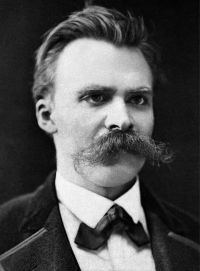
Wickedness, often synonymous with evil or sinfulness, denotes a deliberate and conscious embrace of moral corruption. Philosophers like Martin Buber distinguish it as a stage where caprice replaces genuine will, while authors such as Friedrich Nietzsche explore the perverse pleasure derived from immoral behavior.
Literary figures like Frederick Douglass associate it with systemic cruelty, and theologians highlight its origins in free will. Thus, wickedness emerges as a multifaceted concept, reflecting both moral failings and the complexities of human agency and societal structures.
 Lady Caroline Lamb,
Glenarvon, Volume 3 (of 3)
Lady Caroline Lamb,
Glenarvon, Volume 3 (of 3)