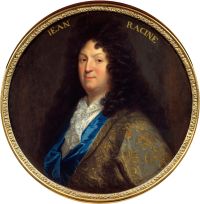
Jean Racine

Definition and stakes

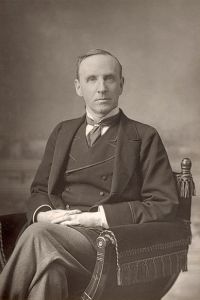
Portrait of William Cleaver Wilkinson William Cleaver Wilkinson,  French Classics

“ Jean Racine was Pierre Corneille reduced to rule. The younger was to the elder somewhat as Sophocles or Euripides was to Æschylus, as Virgil was to Lucretius, as Pope was to Dryden. Nature was more in Corneille, art was more in Racine. Corneille was a pathfinder in literature. He led the way even for Molière still more for Racine. But Racine was as much before Corneille in perfection of art as Corneille was before Racine in audacity of genius. Racine, accordingly, is much more even and uniform than Corneille. ”
Source: Gutenberg

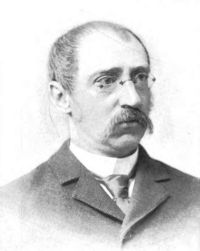
Portrait of William Cleaver Wilkinson William Cleaver Wilkinson,  French Classics

“ To such mutations is subject the fame of an author.
Jean Racine was early left an orphan. His grandparents put him, after preparatory training at another establishment, to school at Port Royal, where during three years he had the best opportunities of education that the kingdom afforded. His friends wanted to make a clergyman of him; but the preferences of the boy prevailed, and he addicted himself to literature. The Greek tragedists became familiar to him in his youth, and their example in literary art exercised a sovereign influence over Racine’s development as author.
”
Source: Gutenberg

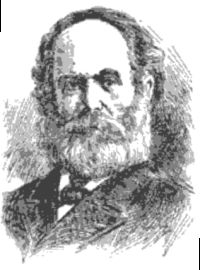
Portrait of George Saintsbury George Saintsbury,  1911 Encyclopædia Britannica, Volume 22… (1911)

“ But there is a higher game of criticism than this, and this game Racine does not attempt to play. He does not even attempt the highest poetry at all. His greatest achievements in pure passion-the foiled desires of Hermione and the jealous frenzy of Phédre-are cold, not merely beside the crossed love of Ophelia and the remorse of Lady Macbeth, but beside the sincerer if less perfectly expressed passion of Corneille’s Cléopatre and Camille. In men’s parts he fails still more completely. ”
Source: Wikisource

Get perspective with Kwize: daily news enlightened by great literature