“ Madam, Theseus is no more, You must supply his place. He leaves a son, A slave, if you should die, but, if you live, A King. On whom has he to lean but you? No hand but yours will dry his tears. Then live For him, or else the tears of innocence Will move the gods, his ancestors, to wrath Against his mother. Live, your guilt is gone, No blame attaches to your passion now. The King's decease has freed you from the bonds That made the crime and horror of your love. Hippolytus no longer need be dreaded, Him you may see henceforth without reproach. ”
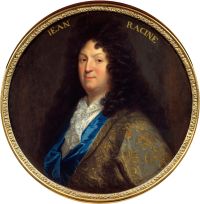
Jean Racine
Summary
Jean Racine’s Phaedra, a 17th-century French tragedy, examines the destructive interaction between divine forces and human weakness through the anguished relationship between Phaedra, queen of Troezen, and Hippolytus, her stepson. Focused on guilt, illicit desire, and divine retribution, the play investigates themes of family obligation, ethical struggle, and the eroding influence of longing.
Racine’s characters—Phaedra’s companion Aricia, her caretaker Oenone, and the eponymous Hippolytus—move through a labyrinth of concealment and judgment, ultimately facing a tragic confrontation with destiny. The play merges classical legend with Baroque emotional depth, portraying love as both holy and profane.
Quotes from Phaedra (Jean Racine)
“ Do you so ill distinguish between guilt And innocence? What mist before your eyes Blinds them to virtue so conspicuous? Ah! 'tis too much to let false tongues defame him. Repent; call back your murderous wishes, Sire; Fear, fear lest Heav'n in its severity Hate you enough to hear and grant your pray'rs. Oft in their wrath the gods accept our victims, And oftentimes chastise us with their gifts. THESEUS No, vainly would you cover up his guilt. Your love is blind to his depravity. But I have witness irreproachable: Tears have I seen, true tears, that may be trusted. ARICIA Take heed, my lord. ”
“ I recognize my madness, Recall it all. These vaulted roofs, methinks, These walls can speak, and, ready to accuse me, Wait but my husband's presence to reveal My perfidy. Death only can remove This weight of horror. Is it such misfortune To cease to live? Death causes no alarm To misery. I only fear the name That I shall leave behind me. For my sons How sad a heritage! The blood of Jove Might justly swell the pride that boasts descent From Heav'n, but heavy weighs a mother's guilt Upon her offspring. Yes, I dread the scorn That will be cast on them, with too much truth, For my disgrace. ”
