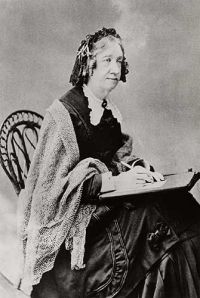
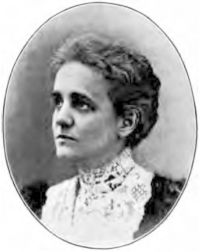
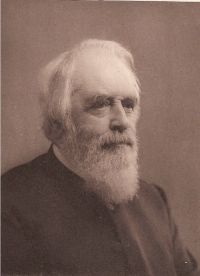
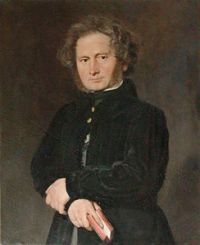
Family, defined as a group united by blood relations, marriage, or shared living arrangements, serves as a foundational social institution across cultures and throughout history. From anthropological classifications—matrifocal, patrifocal, or extended—to its changing roles in contemporary societies, the family represents both stability and flexibility. Authors like Edward Payson Roe emphasized its role as a cornerstone of civilization, while S. D. Gordon saw it as a harmonious unit of shared life.
Catharine Esther Beecher highlighted its function as a system of mutual support and education, and John Welsh Dulles captured its warmth through vivid depictions of intergenerational connections. These differing viewpoints illustrate the family’s dual character: a repository of tradition and a dynamic force shaped by societal transformation. The evidence collectively shows that although family structures vary, their essential purpose—nurturing individuals and promoting social unity—remains universally enduring.
 Edward Payson Roe,
From Jest to Earnest
Edward Payson Roe,
From Jest to Earnest