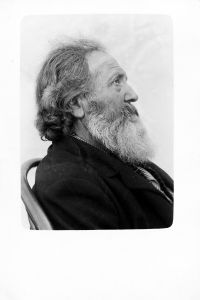
Hugh Alexander Webster

Hugh Alexander Webster

Summary

Portrait of Hugh Alexander Webster Hugh Alexander Webster Encyclopædia Britannica, Ninth Edition (1878)

To touch his person with a weapon of iron is high treason; and so rigidly is this rule enforced that Tieng-tsong-tai-oang suffered an abscess to put an end to his life in 1800, rather than submit to the contact of the lancet. Every horseman must dismount as he passes the palace, and whoever enters the presence-chamber must fall prostrate before the throne.
Source: Wikisource

Portrait of Hugh Alexander Webster Hugh Alexander Webster Encyclopædia Britannica, Ninth Edition (1878)

There still exist several of the large pagodas erected during the period of the official status of Buddhism; they are built in the Chinese style, and are frequently remarkable for the beauty of their situation. Except in the province of Kieng-sang the Buddhism monks, or bonzes, retain no influence; they have but little learning, and their numbers are diminishing. The belief in evil spirits is common among the Coreans; their action is frequently controlled by the propitious or unpropitious character of times and seasons, and almost every event is the sign of fortune or mishap.
Source: Wikisource

Portrait of Hugh Alexander Webster Hugh Alexander Webster Encyclopædia Britannica, Ninth Edition (1878)

Among the lower classes second marriages are equally permissible to both sexes; but among the nobles the second marriage of a widow is considered so reprehensible that the offspring of such a union is branded as illegitimate. Polygamy is not permitted, but concubinage is a recognized institution. Strong affection for their children is one of the better characteristics of the Coreans, and infanticide and exposure are almost unknown. Adoption is a common expedient to prevent the extinction of a family, and the choice of the child is regulated by a rigid etiquette.
Source: Wikisource

Get perspective with Kwize: daily news enlightened by great literature