Infanticide

Definition and stakes

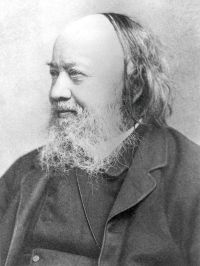
Portrait of John Harvey Kellogg John Harvey Kellogg,  Plain Facts for Old and Young

“ The destruction of the child after the mother has felt its movements is termed infanticide; before that time it is commonly known as abortion. It is a modern notion that the child possesses no soul or individual life until the period of quickening, an error which we have already sufficiently exposed. The ancients, with just as much reason, contended that no distinct life was present until after birth. Hence it was that they could practice without scruple the crime of infanticide to prevent too great increase of population. ”
Source: Gutenberg

1911 Encyclopædia Britannica (1911)

“ In the law of England infanticide is murder or manslaughter according to the presence or absence of deliberation. The infant must be a human being in the legal sense; and “a child becomes a human being when it has completely proceeded in a living state from the body of its mother, whether it has breathed or not, and whether it has an independent circulation or not, and whether the navel-string is severed or not; and the killing of such a child is homicide when it dies after birth in consequence of injuries received before, during or after birth.” ”
Source: Wikisource

Portrait of Herbert Spencer Herbert Spencer,  Popular Science Monthly (1877)

“ To it the infanticide so common among the uncivilized and semi-civilized is, of course, mainly due—the burial of living infants with mothers who have died in childbirth; the putting to death one out of twins; the destruction of younger children when there are already several. For these acts there is an excuse like that commonly to be made for killing the sick and old. ”
Source: Wikisource

Get perspective with Kwize: daily news enlightened by great literature