Ashanti

Definition and stakes

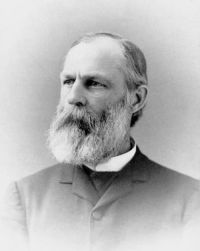
Portrait of G. A. Henty G. A. Henty,  By Sheer Pluck: A Tale of the Ashanti War

“ Ashanti consisted of five or six kingdoms, all of which had been conquered, and were tributary to it. The empire of Ashanti was separated by the river Prah from the country of the Fantis, who lived under British protection. The people drew their supplies from various points on the coast, principally, however, through Elmina, a Dutch settlement, five miles to the west of Cape Coast. The Ashantis could not be called peaceable neighbors. They, like the Dahomans, delighted in human sacrifices upon a grand scale, and to carry these out captives must be taken. ”

Source: Gutenberg

A. B. Ellis,  The Land of Fetish

“ The representative of Awooah, chief of Bantama and general of the Ashanti army, said:—
“My master is the greatest captain of the king’s army. If we had been going to war would not my master have known before others? But he knew no such thing. Let it be known to the Government of the Gold Coast that the king of Ashanti has many enemies near home, and it is they who have endeavoured to embroil him with the English, so that they might seize their opportunities. Why should we fight with the English? They are our good friends. I, my master, and my king, only wish for peace.”
”
Source: Gutenberg

A. B. Ellis,  The Land of Fetish

“ By adopting such a policy I am convinced a lasting peace with Ashanti would be assured; and it certainly appears easier to found a peace upon the good-will and interest of the Ashantis themselves than to endeavour to keep them in check by forming a precarious combination of inferior native tribes, each one of which is jealous of the others, and the most powerful of whom, probably the Gamans, would, in the event of Ashanti being totally crushed, assume the position now held by that nation in West Africa, and necessitate the formation of a new combination against them. ”
Source: Gutenberg

Get perspective with Kwize: daily news enlightened by great literature