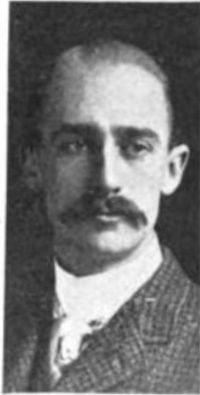
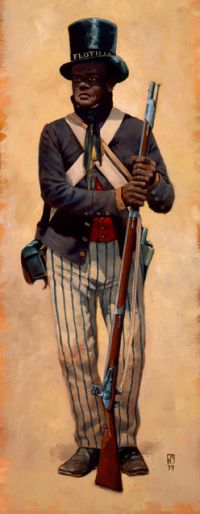
A swamp is a forested wetland, a transitional zone where water and land merge, sustaining diverse ecosystems through moist soils and gently flowing waters. Ecologically, swamps cleanse water, regulate flooding, and support abundant biodiversity, yet they have historically been undervalued. In literature, authors like Kirk Munroe portray swamps as stark contrasts to human activity, while W.E.B.
Du Bois infuses them with personal and cultural significance, presenting them as places of memory and struggle. These varied depictions—from Munroe’s open spaces to Du Bois’s evocative boundaries—highlight swamps’ dual function as both natural crucibles and symbolic landscapes, vital to both ecosystems and human imagination.
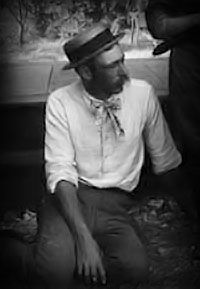 Kirk Munroe,
Through Swamp and Glade: A Tale of the Seminole War
Kirk Munroe,
Through Swamp and Glade: A Tale of the Seminole War