“ Hemlock whispered it was General Hampton. As they drew nearer Morton started in amaze, for among his staff, despite his handsome uniform, he recognized the countenance of the spy he had twice shot at. His astonishment was checked by a gurgling sound of anger from his companion, and turning he saw that Hemlock had partly risen, grasping his musket as if about to fire, his face so swollen with rage that the cords of the neck stood out. “Stop,” said Morton, as he clutched his buckskin jacket, “if we fire now while they are in rank we are lost; wait until they are dismissed and in disorder.” ”
Hemlock
Definition and stakes
Hemlock, a toxic coniferous tree and a symbol of death in literature, appears both as a botanical subject and a narrative motif. While it is notably featured in the Elementary episode "Hemlock" (S3 E13), its literary presence spans centuries, from Robert Sellar’s tales of its symbolic resonance in conflict to Emily Dickinson’s poetic reflection on its affinity for cold and austerity.
Authors like Bret Harte and Wilhelmine von Hillern incorporate it into narratives of wilderness and moral tension, while botanical texts emphasize its dual role as a lethal poison and a historical remedy. These varied depictions underscore hemlock’s enduring duality: a natural element entwined with human fears, myths, and the fragile boundary between life and death.
Quotes about “hemlock”
“ Break the spell, O Spirit; take away the charm that holds my arm when I aim the blow, and pluck away the shield the evil ones hold over him! The eagle has his nest on the hill and the fox his lair in the valley, but Hemlock has no home. The doe fondles its fawn and the tired swallow is helped across the great water on the wings of its sons, but Hemlock has no children. The light of his eyes was taken from him, the joy of his heart was frozen. The Yankee stole his land, slew his brothers, bewitched his only daughter, and drove him away, and now he is a sick-struck man, whom none come near. ”
“ Unheeding his words, Maggie rose and went towards the dog, which was still alive, and began to stroke its head. Its eyes, however, sought not her but his master, and when Hemlock put down his hand, the dying animal feebly tried to lick it. At this sign of affection, the eyes of Hemlock moistened, and falling on his knees he alternately patted the dog and shook his unhurt paw. “My Toga, my old friend, my help in many a hunt, my comrade when we were alone for weeks in the wilderness, are you too going to leave me? You are dying, as the Indian’s dog should die, in the fury of the hunt. ”
Related terms
Authors who wrote about “hemlock”
Robert SellarE. T. AllenHugh LundsfordVarious Bret Harte
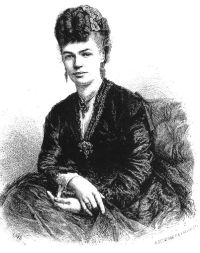 Wilhelmine von Hillern
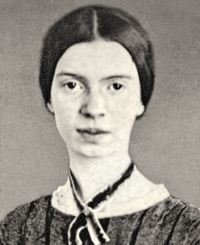 Emily DickinsonWilliam Thomas Fernie
 Ernest Thompson SetonRichard FolkardSir Herbert Maxwell
 Susan Fenimore CooperJames Francis Thierry
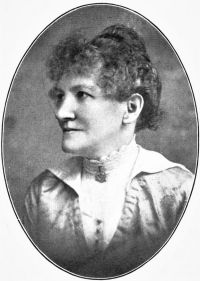 Elizabeth Roberts MacDonaldEdith Ballinger Price
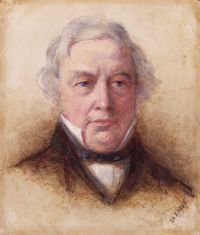 Thomas Love PeacockHenry Nicholson Ellacombe
 Henry S. SaltSir Thomas Browne
 Jacob Abbott
Bret HarteWilhelmine von HillernEmily DickinsonWilliam Thomas FernieErnest Thompson SetonRichard FolkardSir Herbert MaxwellSusan Fenimore CooperJames Francis ThierryElizabeth Roberts MacDonaldEdith Ballinger PriceThomas Love PeacockHenry Nicholson EllacombeHenry S. SaltSir Thomas BrowneJacob Abbott