Scalp

Definition and stakes

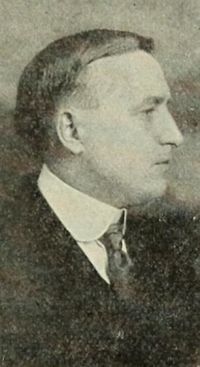
Portrait of Woods Hutchinson Woods Hutchinson The Child's Day

The skin of your scalp is shedding tiny thin scales all day and all night, just as the rest of your skin is doing. Fortunately, 19your hair is growing from roots under the skin much in the same way as blades of grass grow from their roots; and, as it grows, it pushes up these scales from the surface of the scalp to where you can readily reach them with a good bristle brush. If they are not well brushed out, the dust and smoke from the air will mix with them, and the germs in the dust and smoke will breed in the mixture, and you will soon have “scurf” or dandruff on your head.
Source: Gutenberg

Henry Weightman Stelwagon Essentials of Diseases of the Skin

It is usually met with upon the scalp, but it may occur upon any part of the integument. Occasionally the nails are invaded. It is seen at all ages, but is much more common in children.
Describe the symptoms of favus of the scalp.
The disease begins as a superficial inflammation or hyperæmic spot, more or less circumscribed, slightly scaly, and which is soon followed by the formation of yellowish points about the hair follicles, surrounding the hair shaft.
Source: Gutenberg

A system of practical medicine…

The scalp is the region most frequently the seat of the disease, but other hairy parts, especially the face in the male, are often invaded, and even the whole surface may be involved. Occurring upon the scalp, one or several patches may be present, which are usually rounded and circumscribed. The hair may fall out suddenly without any previous signs of weakening, the individual awaking in the morning to discover an area of partial or complete baldness on the scalp
Source: Gutenberg

Get perspective with Kwize: daily news enlightened by great literature