Scrotum

Definition and stakes

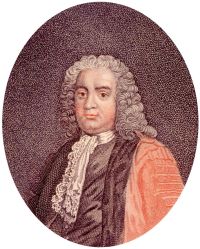
Portrait of Robert James Culverwell Robert James Culverwell,  Porneiopathology

“ The Scrotum should be considered as one, which is merely a continuation of the common integuments, exceedingly elastic, nearly destitute of fat, and possessing a peculiar contractile power of its own, whereby it can closely embrace the testicles, and at other times yield or become distended, as in hernia or hydrocele, to the size of a melon. The contractile powers of the scrotum have been assigned to the supposed presence of a muscle, which is merely a thickened cellular membrane, and called Dartos. ”
Source: Gutenberg

Jacob Snowman,  The Surgery of Ritual Circumcision

“ The skin of the penis is continuous on the upper surface with the skin of the abdomen, and on the under surface with that of the scrotum. On drawing forward the prepuce or foreskin it is very easy to include the skin of the scrotum in the grasp of the fingers unless due care is taken. If the traction on the foreskin is too forcible and the skin of the scrotum is therefore pulled up tightly, there is a danger of the scrotal skin being slit up to some extent. The intimate connection of the skin of the penis and scrotum must always be kept well in mind. ”
Source: Gutenberg

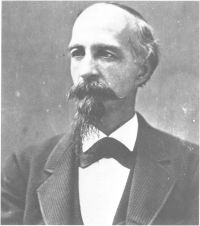
Portrait of Patrick Manson Patrick Manson,  Tropical Diseases (1919)

“ Parts affected.— In 95 per cent, of the cases the lower extremities— either one or both— alone, or in combination with the scrotum or arms, are the seat of the disease. The foot and ankle only, or the foot and leg, or the foot, leg, and thigh, may, each or all, be involved. The scrotum is also a common situation for elephantiasis. The arms are more rarely attacked; still more rarely the mammæ, vulva, and circumscribed portions of the integuments of the limbs, trunk, neck, or scalp (Fig. 118) . ”
Source: Wikisource

Get perspective with Kwize: daily news enlightened by great literature