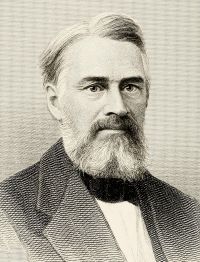
Robert Jennings

Biographical details

Robert Jennings,  Sheep, Swine, and Poultry

“ It does not attain its full growth till its fifth or sixth year, yet it is killed at latest in the second, to the evident deterioration of the stock. If some of the best breeds were retained to their really adult state, and well fed meanwhile, they would quite recompense their keeper by their beauty in full plumage, their glancing hues of gilded green and purple, their lovely shades of bronze, brown, and black, and the pearly lustre that radiates from their polished feathers. ”
Source: Gutenberg

Robert Jennings,  Sheep, Swine, and Poultry

“ Almost as soon as they are dry from the moisture of the egg, they will peck each other’s toes, as if supposing them to be worms, scramble with each other for a crumb of bread, and domineer over any little Bantam or chicken that may chance to have been hatched at the same time with themselves. No one, ignorant of the fact, would guess, from their appearance, to what species of bird they belonged; their orange-red bills and legs, and the dark, zebra-like stripes with which they are regularly marked from head to tail, bear no traces of the speckled plumage of their parents. ”
Source: Gutenberg

Robert Jennings,  Cattle and Their Diseases

“ The traditions, indeed, of every Celtic nation enroll the cow among the earliest productions, and represent it as a kind of divinity.
In nearly all parts of the earth cattle are employed for their labor, for their milk, and for food. In southern Africa they are as much the associates of the Caffre as the horse is of the Arab. They share his toils, and assist him in tending his herds. They are even trained to battle, in which they become fierce and courageous. In central Africa the proudest ebony beauties are to be seen upon the backs of cattle. In all ages they have drawn the plough.
”
Source: Gutenberg

Get perspective with Kwize: daily news enlightened by great literature