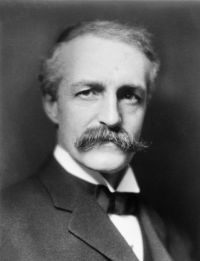
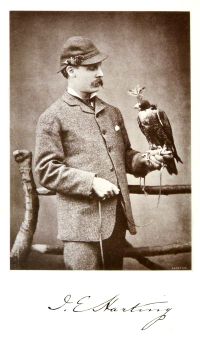
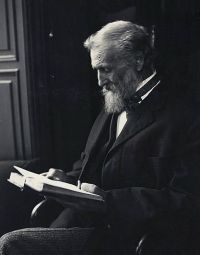
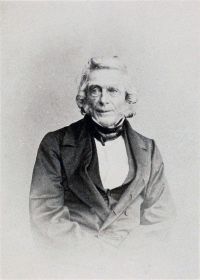
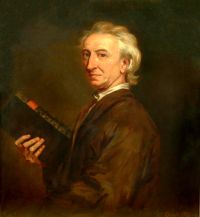
The forester, a guardian of forest ecosystems, represents the convergence of science, management, and environmental care. From Enos A. Mills’ practical view of trees as resources to Edward Step’s critique of forestry’s lack of diversity, writers have long debated the forester’s dual identity as both a user and a defender of nature.
Henry David Thoreau highlights the forester’s sensitivity to nature’s changes, while Gifford Pinchot emphasizes the field’s dependence on forestry expertise and careful observation. These viewpoints expose a recurring theme of conflict—between use and conservation, convention and progress—shaping the way forests are understood and handled throughout history.