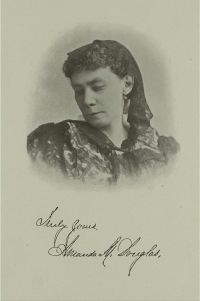
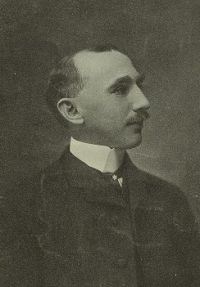
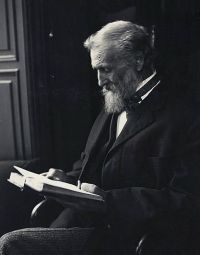
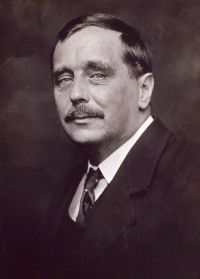
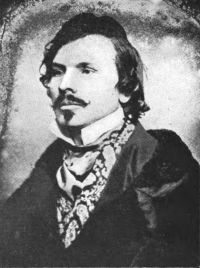
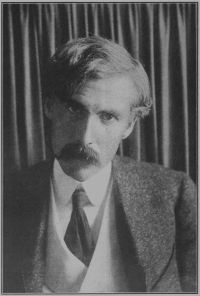
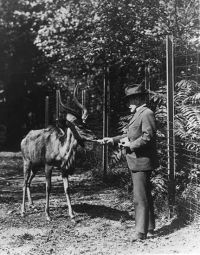
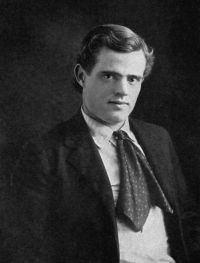
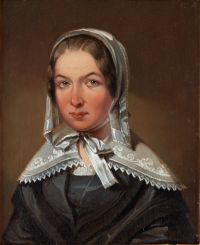
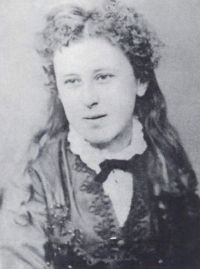
The concept of "wild" embodies untamed nature, primal energies, and the fascination of unexplored landscapes, often standing in contrast to civilization. Authors like Henri de Crignelle illustrate it through the intense drama of hunting untamed animals, while Henry David Thoreau elevates it as a source of spiritual and ecological renewal. Amanda M.
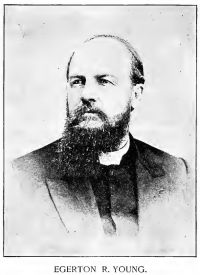
Douglas expresses a childlike admiration for the wilderness, highlighting its life force over restriction. Meanwhile, Robert W. Service depicts the wild as an indifferent, almost menacing presence, differing from the tranquil beauty observed by Egerton Ryerson Young. These diverse viewpoints emphasize the theme’s duality—as both a domain of peril and a symbol of natural innocence, fundamentally connected to its opposite, "tame."