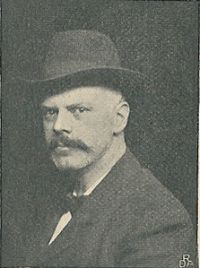
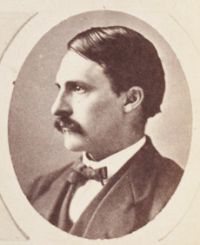
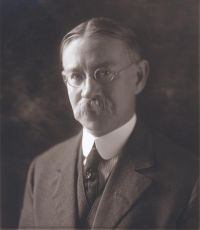
The willow, a deciduous tree flourishing in damp soils of cold and temperate regions, has long represented both delicacy and endurance in literature. From Felicia Hemans’ personified “sighing willow” to Kenneth Grahame’s tranquil riverbank scenes in The Wind in the Willows, writers have incorporated its image into meditations on impermanence and nature’s subtle strength.
Carl Ewald’s philosophical willow reflects on the rhythm of life’s rise and fall, while Algernon Blackwood conjures its otherworldly presence amid changing landscapes. These diverse depictions highlight the willow’s lasting function as a multifaceted symbol of reflection and flexibility.
 Felicia Hemans,
Felicia Hemans in The New Monthly Magazine Volume 40 1834
(1834)
Felicia Hemans,
Felicia Hemans in The New Monthly Magazine Volume 40 1834
(1834)