The concept of "ware" encompasses both physical goods and abstract constructs, reflecting humanity’s relationship with production, trade, and value. From the domestic diligence of Mary Ware in Annie F. Johnston’s Mary Ware’s Promised Land to the patriotic metaphor of "Liberty’s ware" in Fifes and Drums, the theme illustrates how objects—whether ceramic, textile, or conceptual—serve as vessels of cultural and economic meaning.
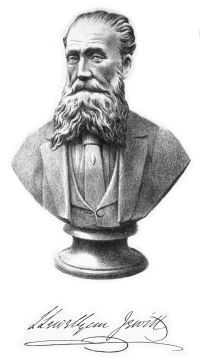
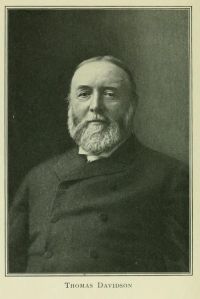
Authors like Llewellynn Jewitt emphasize specialized craftsmanship in "blue and white ware," while Daniel Defoe uses "ware" metaphorically in his satirical critique of vanity. Thomas Davidson’s dictionary entry highlights its commercial function, and John Camden Hotten links it to historical narratives. Synthesizing these perspectives, "ware" emerges as a multifaceted symbol of human effort, exchange, and identity.