Mowing

Definition and stakes

Portrait of Hilaire Belloc Hilaire Belloc,  Hills and the Sea

“ Mowing well and mowing badly—or rather not mowing at all—are separated by very little; as is also true of writing verse, of playing the fiddle, and of dozens of other things, but of nothing more than of believing. For the bad or young or untaught mower without tradition, the mower Promethean, the mower original and contemptuous of the past, does all these things: He leaves great crescents of grass uncut. He digs the point of the scythe hard into the ground with a jerk. ”
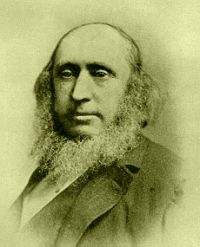
Source: Gutenberg

Portrait of Hilaire Belloc Hilaire Belloc,  Hills and the Sea

“ He drags up earth with the grass, which is like making the meadow bleed. But the good mower who does things just as they should be done and have been for a hundred thousand years, falls into none of these fooleries. He goes forward very steadily, his scythe-blade just barely missing the ground, every grass falling; the swish and rhythm of his mowing are always the same. ”
Source: Gutenberg

graf Leo Tolstoy,  What Shall We Do?

“ The work of mowing is one of the most important in the world. Nearly every year, from want of hands and of time, the meadows remain half uncut and may remain so till the rains begin; so that the degree of intensity of the labour decides the question whether twenty or more per cent will be added to the stores of the world, or whether this hay will be left to rot or spoil while yet uncut. ”
Source: Gutenberg

Get perspective with Kwize: daily news enlightened by great literature